How to Reduce Energy Costs in Commercial Buildings [2026 Guide]

A.R.V.I.S. Team
Engineering & Operations, Doha
![How to Reduce Energy Costs in Commercial Buildings [2026 Guide]](/blog/Energy_Optimization_Strategies_for_Commercial_Real_Estate.webp)
Commercial Buildings Waste 30% of Their Energy
Research consistently shows that commercial buildings consume roughly 30% more energy than necessary due to operational inefficiencies: simultaneous heating and cooling, overnight systems running on empty floors, and equipment degrading without detection. For a typical 50,000 sq ft office building in the Gulf region, this translates to QAR 150,000 to 400,000 in avoidable annual energy costs.
In the GCC, the numbers are sharper. HVAC accounts for up to 70% of total building energy load due to the extreme climate. More than 50% of GCC commercial energy is wasted cooling unoccupied zones. A typical Doha commercial tower spends QAR 150,000 to 250,000 per month on ghost space cooling alone.
Reducing energy costs in commercial buildings requires four steps: real-time monitoring of all energy-consuming systems, automated detection of waste patterns, intelligent scheduling based on occupancy and weather, and continuous verification that savings targets are being met.
Step 1: Connect All Energy Data in Real Time
Monthly utility bills arrive too late to act on. Effective energy optimization starts with live data from smart meters, sub-meters, and zone sensors feeding into a central analytics platform. According to the Carbon Trust (2022), buildings that deploy sub-metering reduce energy consumption by 12 to 15% through visibility alone,before any automation.
The A.R.V.I.S. platform connects to existing BMS, metering infrastructure, and IoT sensors to create a unified real-time energy map without requiring new hardware.
Step 2: Detect Hidden Waste Patterns
The most expensive waste is invisible to manual inspection. Common patterns include:
- Simultaneous heating and cooling: HVAC zones fighting each other, wasting 15 to 25% of zone energy
- Ghost floor consumption: Unoccupied floors running full HVAC and lighting
- Equipment degradation drift: Chillers losing 2 to 3% efficiency per month due to undetected fouling
- Peak demand spikes: Unnecessary load during high-tariff periods
According to Lawrence Berkeley National Laboratory (2023), automated fault detection and diagnostics (AFDD) identifies 3 to 5x more operational faults than manual inspection, with median energy savings of 8 to 15% of total building energy use.
Step 3: Automate Scheduling and Response
Intelligent systems adjust setpoints, schedules, and equipment staging based on real-time conditions. The ABI engine continuously optimizes based on weather forecasts, occupancy patterns, and electricity tariff schedules.
During peak-demand periods (when electricity costs 2 to 3x normal rates in Gulf markets), the AI pre-cools spaces during off-peak hours and coasts through peak windows,maintaining comfort while avoiding premium charges.
Step 4: Verify and Report Continuously
Compliance frameworks like GSAS require continuous proof of energy reduction. From 2026, Qatar's financial regulators and stock exchange are rolling out ISSB-aligned sustainability reporting for banks, insurers, and listed companies. Manual reporting creates audit risk and consumes engineering hours. Industry estimates place the manual GSAS reporting cycle at 240+ man-hours per cycle. Automated measurement and verification (M&V) tracks savings against baselines in real time, generating audit-ready documentation without manual effort.
The road to meaningful energy reduction is not about LED upgrades. It is about operational intelligence that finds, fixes, and continuously monitors the waste patterns hiding in your building's daily operations.
Want to see how A.R.V.I.S. handles energy optimization in practice? Request a demo.
About the author
Engineering & Operations, Doha
Written by the A.R.V.I.S. engineering and operations team in Doha, Qatar, led by Founder & CTO Arfaz Khan. The team combines decades of defense-grade HVAC, BMS and electro-mechanical engineering with GCC enterprise operations and AI systems architecture. A.R.V.I.S. is incubated at Qatar Science & Technology Park (QSTP).
Frequently Asked Questions
Related Insights
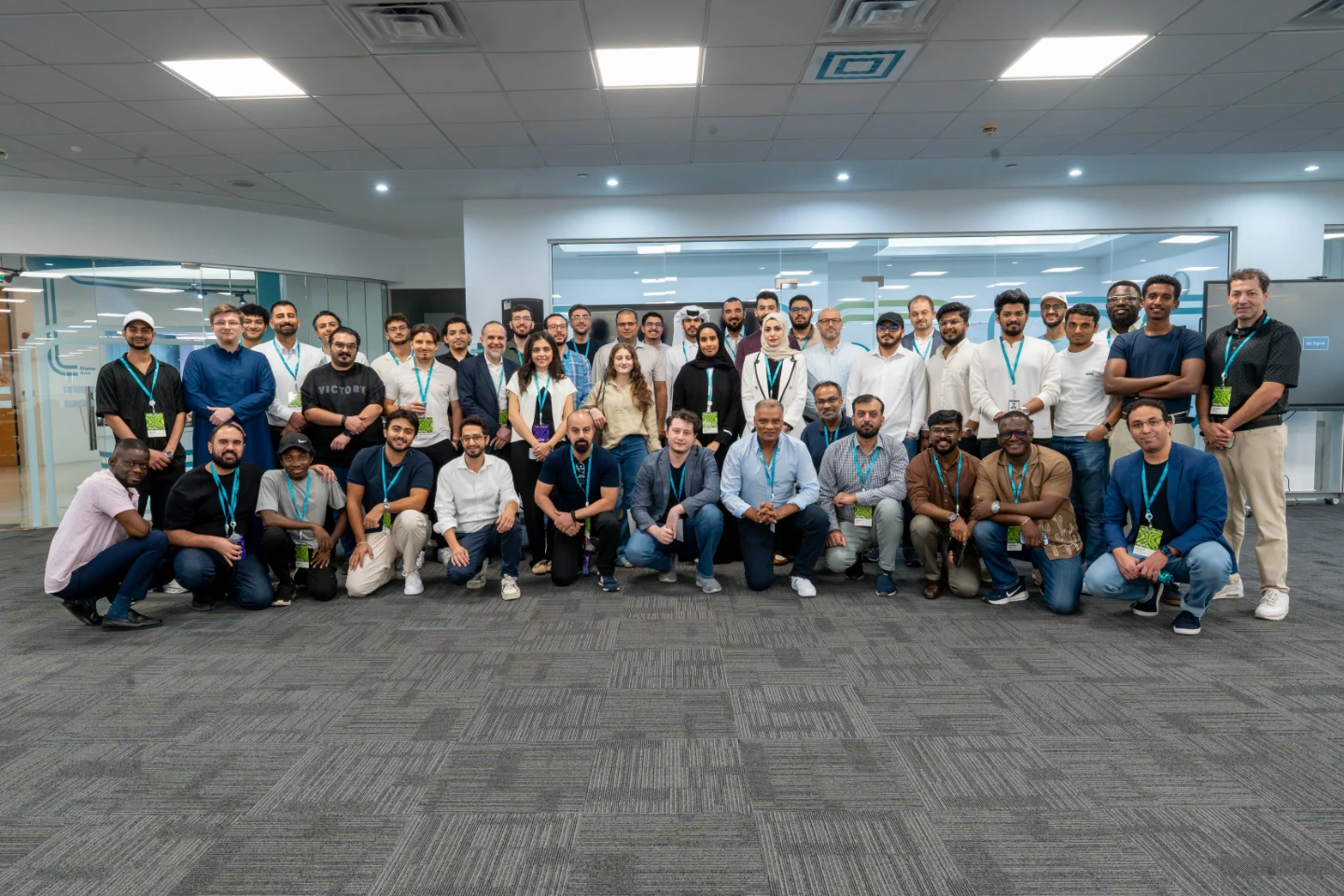
ARVIS Joins QSTP's Fall 2026 Cohort: Deploying Sovereign Building Intelligence Across Qatar
A.R.V.I.S. has been selected for the Qatar Science & Technology Park (QSTP) Fall 2026 Cohort from over 150 international and regional technology applications. Operating within Qatar Foundation's elite technology ecosystem, A.R.V.I.S. is deploying sovereign building operational intelligence across premier commercial and healthcare facilities in Qatar.
Sovereign AI in Smart Building Operations: Why Data Supremacy is Critical for Critical Infrastructure
Smart buildings generate massive volumes of operational data. Discover why cloud-only AI models introduce major risks and why Sovereign AI is the future of secure critical infrastructure.