Sovereign AI in Smart Building Operations: Why Data Supremacy is Critical for Critical Infrastructure

A.R.V.I.S. Team
Engineering & Operations, Doha
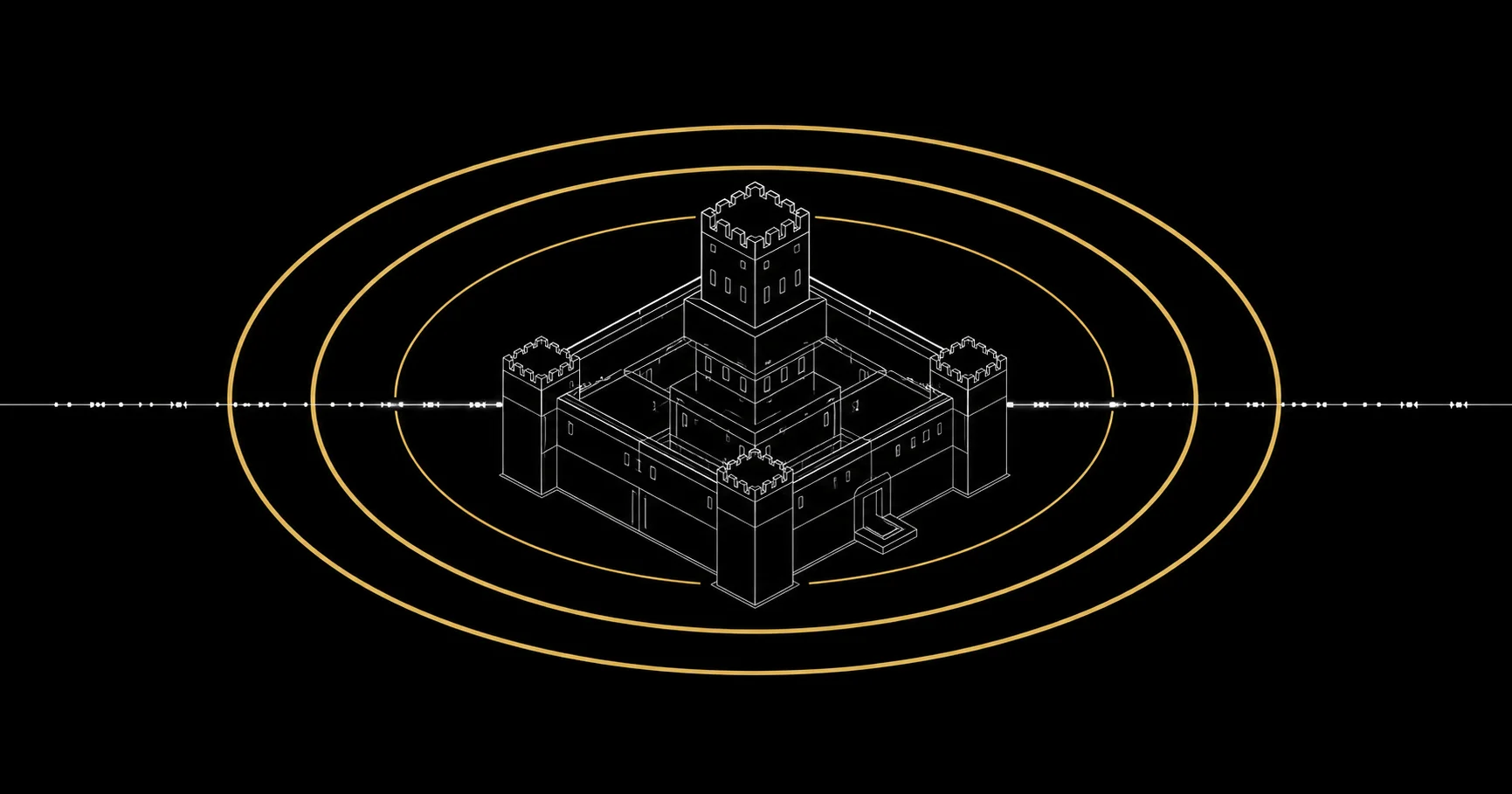
The Invisible Attack Surface of Smart Building Data
Modern commercial buildings are no longer passive blocks of steel and concrete. They are highly active, connected cyber-physical systems generating millions of telemetry data points daily. Every BACnet thermostat reading, every Modbus power meter cycle, and every occupancy sensor log is a digital footprint of human activity and mechanical status that requires secure, localized sovereign AI to analyze safely.
As building operators integrate Artificial Intelligence to optimize energy consumption and automate predictive maintenance, they face a critical security pivot. Traditional SaaS building analytics platforms require streaming this continuous stream of operational data to public, multi-tenant cloud servers located outside the enterprise, and often outside the national borders.
This cloud-only model introduces severe, unaddressed vulnerabilities. Streaming raw operational telemetry exposes the building's physical routines, vulnerable mechanical systems, and real-time security boundaries to external intercept. For critical infrastructure, such as government offices, financial headquarters, transportation hubs, and district cooling networks, this is not just a data privacy issue: it is a national security risk that only sovereign AI can resolve.
The solution is the adoption of sovereign AI, representing on-premises, private cloud, or fully air-gapped operational intelligence that analyzes data and optimizes systems directly within the facility's secure physical perimeter.
Why Public Cloud Analytics is a Liability for OT Networks
In Operational Technology (OT) networks, the highest priority is not just data confidentiality, but continuous uptime, physical safety, and operational control. Public cloud-only building analytics systems break the fundamental tenets of OT security in three ways:
-
The "Phone Home" Threat Vector: Streaming live telemetry requires open outbound connections from critical BMS networks to the public internet. Each connection is an attack surface. Without a secure sovereign AI deployment, a compromised cloud platform could allow attackers to traverse back down the pipe, accessing local controllers and physically manipulating physical infrastructure (such as shutting down water chillers during peak cooling season).
-
The WAN Disconnect Vulnerability: If a building's optimization engine lives in a public cloud, a localized fiber cut, internet service provider outage, or global DDoS attack immediately disconnects the intelligence layer. When the WAN link goes down, the building loses its ability to react to dynamic changes in load, occupancy, or weather, reverting to static, inefficient standby modes. Secure sovereign AI keeps all operational logic local.
-
Data Residency Compliance Issues: Operational telemetry contains dense, highly sensitive intelligence. A competitor or hostile actor analyzing a building's power draw, cooling loads, and occupancy cycles can easily deduce operational capacity, staffing levels, and critical server room locations. Under security frameworks like Qatar Vision 2030 and local data protection regulations, streaming this intelligence to foreign data centers creates immediate compliance exposure. Deploying a dedicated sovereign AI solution ensures compliance.
What Sovereign AI Means for Commercial Facilities
Deploying sovereign AI is the deployment of local, self-contained machine learning engines that live entirely within the building owner's private network architecture. This approach establishes data supremacy, guaranteeing that your building's operational data never leaves your physical control.
graph TD
    subgraph Secure Building Perimeter (On-Premises / Air-Gapped)
        BMS[BMS Controllers: BACnet/Modbus] -->|Read-Only Data Stream| ARVIS[A.R.V.I.S. Sovereign Engine]
        IoT[IoT Sensors: Temp/Vibration/CO2] -->|Local Wireless Hub| ARVIS
        ARVIS -->|Anomalies & Predictive Analytics| DB[Local Operational Memory Database]
        ARVIS -->|Plain-Language Recommendations| Dashboard[Local Operator Dashboard]
    end
    Internet((Internet)) -.->|Blocked / Disabled| ARVIS
By keeping the cognitive engine local, building operators secure three distinct advantages through sovereign AI:
1. Zero-Trust Network Isolation
A sovereign AI engine operates inside the facility’s secure network zones, without needing external internet access. It can run in a fully air-gapped environment, where the machine learning models operate on bare-metal local servers or secure enterprise virtual machines. If the building’s internet connection is completely severed, the intelligence engine continues running, analyzing telemetry, and protecting systems without interruption.
2. Read-Only Cognitive Layer
To protect critical assets, the local sovereign AI engine must act as a read-only observer. For example, platforms like the A.R.V.I.S. ABI engine extract telemetry directly from BACnet/IP and Modbus TCP buses without back-writing to controller logic or altering physical device firmware. This design removes any possibility of the AI engine being used as a vector to execute physical attacks: control remains strictly in the hands of the certified onsite engineering crew.
3. Local Model Ownership and Baselines
A public cloud AI model generalizes building behaviors across thousands of unrelated properties in different climates. A local sovereign AI engine, by contrast, trains its neural networks and anomaly detection baselines specifically on your building's individual history. It builds a localized operational memory to retain the precise thermal characteristics, equipment quirks, and occupancy rhythms unique to your facility.
National Mandates and the Sovereign Requirement in the GCC
In Qatar and the wider GCC region, the push for sovereign AI technology is rapidly shifting from a best practice to a legal necessity.
The GCC Standardization Organization's recent integration of GSAS sustainability standards into the Gulf Building Code (GSO 3000:2025) requires comprehensive, continuous reporting of building lifecycle performance. At the same time, regional cybersecurity agencies are tightening controls on critical national infrastructure (CNI), which includes large-scale district cooling plants, municipal networks, and government ministries.
In the modern threat landscape, a building's data is as valuable as its physical access card. Storing building operational signatures on shared public clouds is an unacceptable operational risk. Secure, on-premises sovereign AI is the only path forward for critical building assets.
For listed enterprises, government ministries, and financial institutions in Doha, deploying non-sovereign analytics is increasingly viewed as an audit failure. Securing building systems requires keeping data local while automating GSAS compliance tracking using locally hosted, secure sovereign AI frameworks.
The A.R.V.I.S. Sovereign Architecture
A.R.V.I.S. is engineered specifically to resolve the tension between advanced AI optimization and absolute data security. Under this sovereign AI paradigm, A.R.V.I.S. does not force you to stream data to the public cloud. Instead, the entire A.R.V.I.S. cognitive stack can be deployed across three security postures:
- Private Enterprise Cloud: Run A.R.V.I.S. on your own private cloud infrastructure (OpenStack, VMware, or AWS Outposts), keeping data within your dedicated enterprise network boundaries.
- On-Premises Appliance: Deploy the A.R.V.I.S. platform on dedicated rack servers inside your building's local server room, keeping data completely local to the physical site.
- Fully Air-Gapped: Operate A.R.V.I.S. in high-security zones with zero outbound internet connections. Updates and threat signatures are applied via secure local media.
Advanced building intelligence does not require sacrificing data ownership. By deploying sovereign AI, operations leaders protect their physical infrastructure, achieve absolute compliance, and unlock maximum energy efficiency, with the absolute certainty that their building data remains theirs alone.
Want to explore sovereign AI deployment options for your portfolio? Request a custom architecture consultation.
About the author
Engineering & Operations, Doha
Written by the A.R.V.I.S. engineering and operations team in Doha, Qatar, led by Founder & CTO Arfaz Khan. The team combines decades of defense-grade HVAC, BMS and electro-mechanical engineering with GCC enterprise operations and AI systems architecture. A.R.V.I.S. is incubated at Qatar Science & Technology Park (QSTP).
Frequently Asked Questions
Related Insights
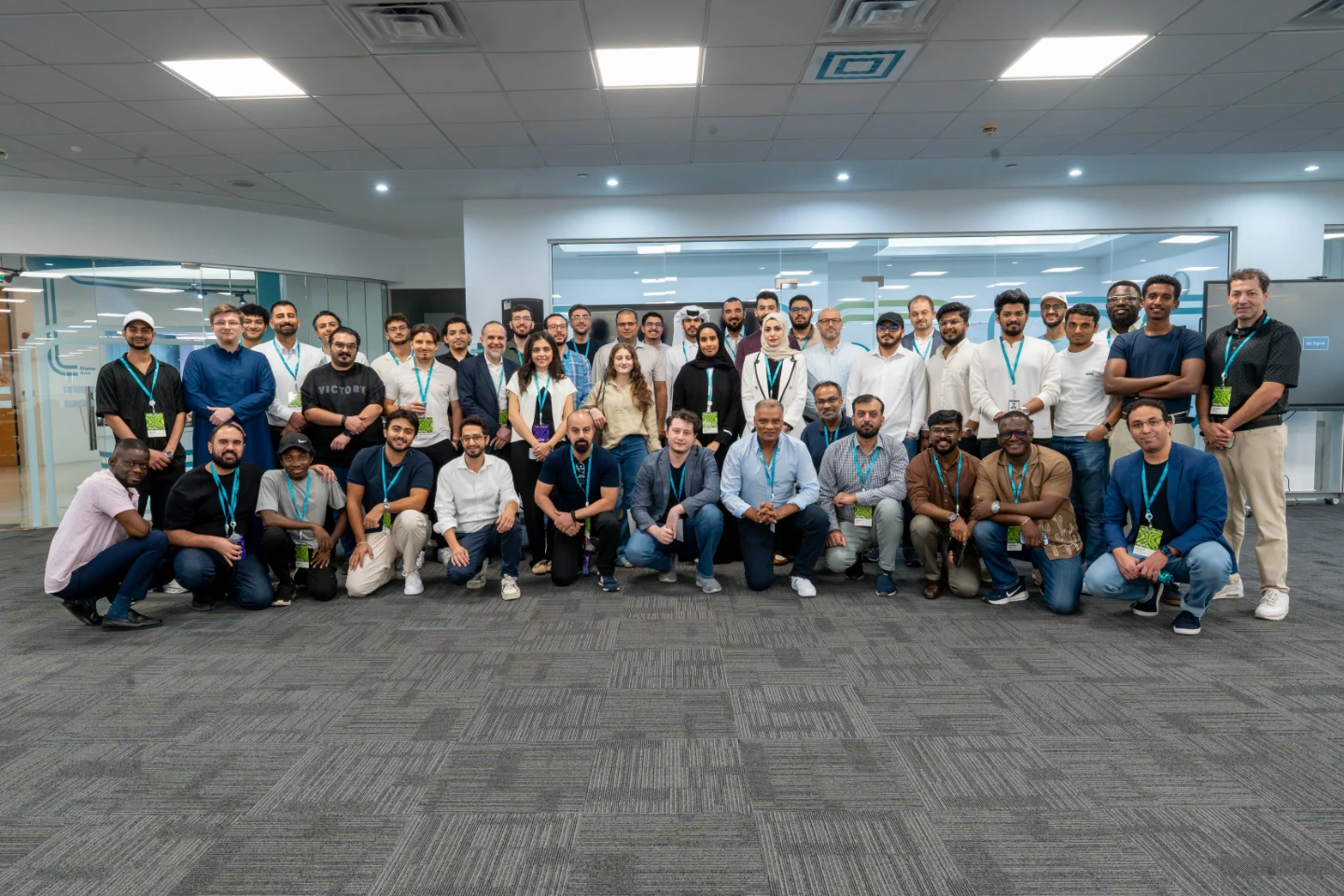
ARVIS Joins QSTP's Fall 2026 Cohort: Deploying Sovereign Building Intelligence Across Qatar
A.R.V.I.S. has been selected for the Qatar Science & Technology Park (QSTP) Fall 2026 Cohort from over 150 international and regional technology applications. Operating within Qatar Foundation's elite technology ecosystem, A.R.V.I.S. is deploying sovereign building operational intelligence across premier commercial and healthcare facilities in Qatar.
![The Complete Guide to Building Operational Intelligence [2026]](/blog/The_Complete_Guide_to_Building_Operational_Intelligence.webp)
The Complete Guide to Building Operational Intelligence [2026]
Building operational intelligence is AI-driven awareness that explains why things happen, not just what is happening. This comprehensive guide covers how it works, what it costs, and how to evaluate readiness.