BMS Alarm Fatigue: Why Your Team Ignores Critical Alerts and How to Fix It

A.R.V.I.S. Team
Engineering & Operations, Doha
What Is BMS Alarm Fatigue?
Alarm fatigue in building management occurs when facility operators receive so many BMS alerts,often thousands per day,that they begin ignoring them, including genuinely critical ones. Studies of complex automation systems consistently show that 80 to 95% of alarms in commercial buildings are non-actionable. In facilities with large BMS deployments, alarm volumes routinely reach thousands of events per month, with only a small fraction requiring human intervention. The remainder are nuisance alarms that erode operator trust and mask real problems.
The consequences are measurable: extended equipment downtime (because real faults get buried), increased energy waste (because drift goes unnoticed), and safety risk (because critical alarms are dismissed as noise).
How One Fault Becomes Fifty Alarms
A single equipment failure,say, a chilled water pump losing pressure,cascades through interconnected building systems. The pump fault triggers high-temperature alarms on every air handler it feeds, which trigger comfort complaints from occupied zones, which trigger override alerts from manual adjustments. According to ASHRAE Technical Committee 7.5 (2023), a single root-cause event generates an average of 15 to 50 downstream alarms in typical commercial BMS configurations.
Facility engineers then face a screen full of red alerts, all triggered within minutes, with no indication of which alarm is the cause and which are symptoms.
What the Data Shows: AHU-7 and 47 Cascading Alarms
In A.R.V.I.S.'s pre-deployment simulation against Marina Heights Tower, a 78,000 m² digital twin of a Class-A mixed-use tower in West Bay, Doha, with 142 air handling units across 4 vertical risers, modelled on real BACnet/Siemens Desigo CC architecture. A single damper slip on AHU-7 generated 47 downstream alarms across three air handling units within 18 minutes.
Each alarm was technically valid: discharge temperatures had climbed, zone temperatures were drifting, static pressure readings were inconsistent across the affected riser. A conventional BMS presents all 47 simultaneously with equal severity. An experienced engineer might spend 2 to 3 hours tracing the cascade manually.
A.R.V.I.S.'s Alarm Intelligence engine traced the causal chain in three hops: the zone temperature drift (symptom) → the AHU supply temperature rise (intermediate cause) → the AHU-7 mixing damper actuator stuck at 23% open (root cause). The system produced one advisory: "AHU-7 mixing damper actuator failure. All 47 downstream alarms are symptoms of this single event. Recommended action: manual damper inspection within the next shift."
Resolution time dropped from an estimated 3 hours of manual trace work to 12 minutes of targeted inspection. The same pattern, written to operational memory, would be recognized instantly if it recurred during high humidity months when damper actuators are under additional thermal stress.
The Cost of Alert Storms
According to Verdantix (2023), facility management teams spend an average of 3.2 hours per day processing and triaging BMS alarms,time spent navigating noise rather than resolving problems. For organizations managing large portfolios, this alarm management burden translates to 1 to 2 full-time-equivalent positions consumed entirely by alert triage.
How Root-Cause AI Fixes It
The solution is not fewer alarms. It is smarter alarm processing. AI-powered root-cause analysis groups related alarms by causal relationship, traces them to the originating fault, and presents operators with a single actionable explanation instead of dozens of disconnected alerts.
The A.R.V.I.S. Alarm Intelligence system processes alarm events in real time, correlating them across BMS subsystems and presenting one root cause: "Chilled water pump 2 pressure has dropped below threshold,47 downstream alarms are symptoms of this single issue."
According to research by Johnson Controls (2023), AI-based alarm rationalization reduces actionable alarm volume by 70 to 85%, restoring operator trust and ensuring critical events receive immediate attention.
The result: operations teams shift from reactive alarm-chasing to proactive, informed decision-making.
Want to see how A.R.V.I.S. handles alarm intelligence in practice? Request a demo.
About the author
Engineering & Operations, Doha
Written by the A.R.V.I.S. engineering and operations team in Doha, Qatar, led by Founder & CTO Arfaz Khan. The team combines decades of defense-grade HVAC, BMS and electro-mechanical engineering with GCC enterprise operations and AI systems architecture. A.R.V.I.S. is incubated at Qatar Science & Technology Park (QSTP).
Frequently Asked Questions
Related Insights
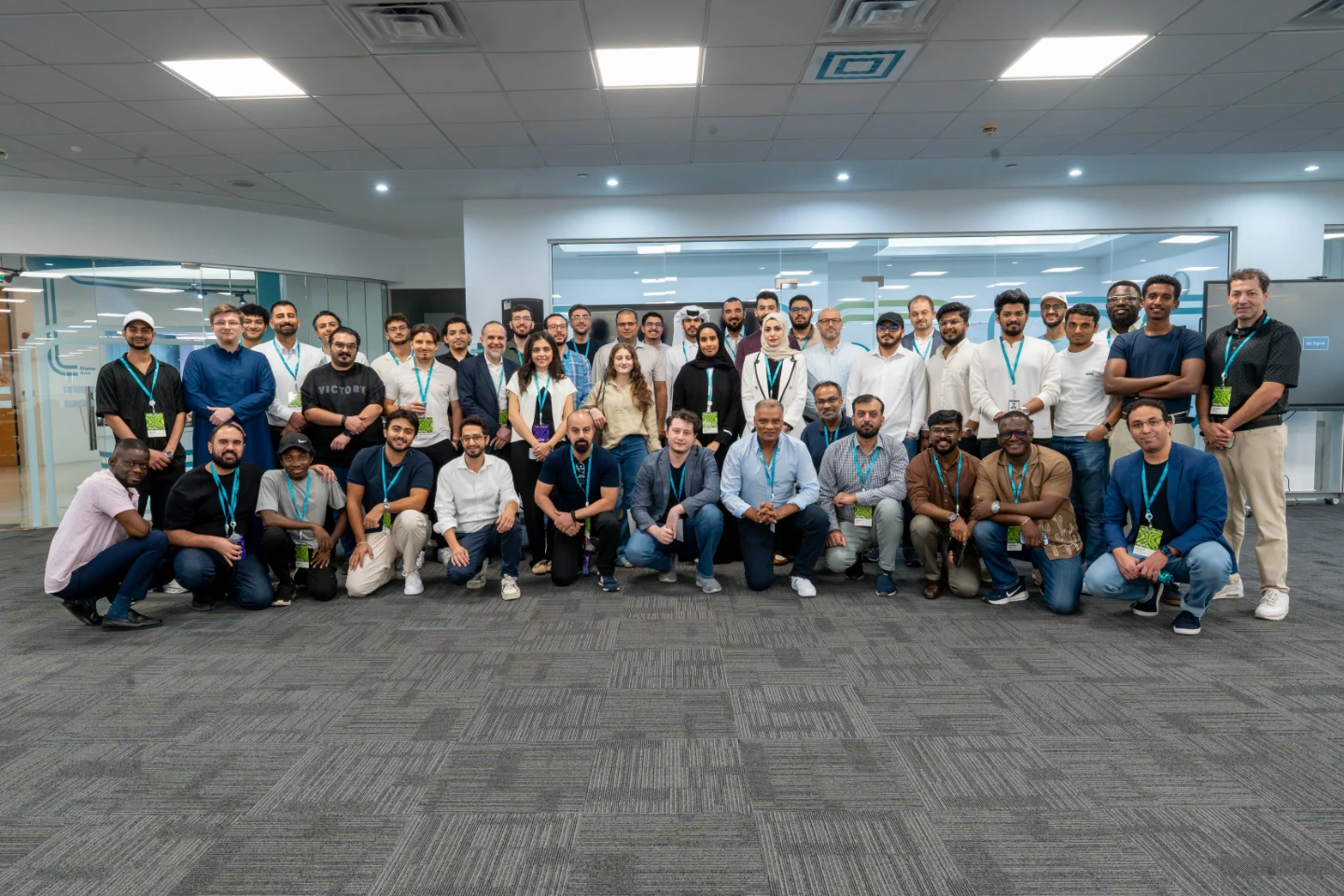
ARVIS Joins QSTP's Fall 2026 Cohort: Deploying Sovereign Building Intelligence Across Qatar
A.R.V.I.S. has been selected for the Qatar Science & Technology Park (QSTP) Fall 2026 Cohort from over 150 international and regional technology applications. Operating within Qatar Foundation's elite technology ecosystem, A.R.V.I.S. is deploying sovereign building operational intelligence across premier commercial and healthcare facilities in Qatar.
Sovereign AI in Smart Building Operations: Why Data Supremacy is Critical for Critical Infrastructure
Smart buildings generate massive volumes of operational data. Discover why cloud-only AI models introduce major risks and why Sovereign AI is the future of secure critical infrastructure.