Smart Building Cybersecurity: How AI Defends Against OT Network Attacks

A.R.V.I.S. Team
Engineering & Operations, Doha
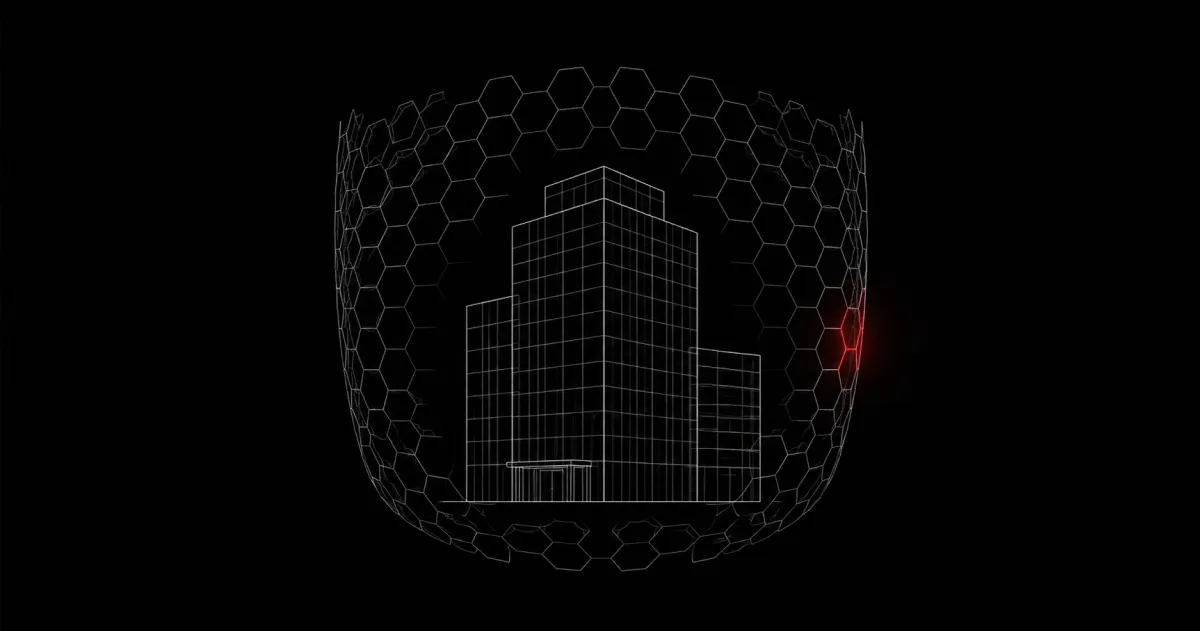
Smart Buildings Are the Fastest-Growing Cyberattack Surface
Operational Technology (OT) cybersecurity in smart buildings is the protection of building automation networks,HVAC controllers, access control, elevator systems, fire safety, and lighting,from unauthorized access, manipulation, or disruption. According to Kaspersky ICS CERT (2023), 38% of building automation systems experienced at least one cyberattack attempt in 2023, up from 26% in 2021,making smart buildings one of the fastest-growing attack vectors in critical infrastructure.
The convergence of IT and OT networks (connecting building systems to corporate networks and the internet) creates entry points that did not exist when BMS systems were isolated. A compromised smart thermostat or IP camera can provide lateral access to the entire building automation network.
Why Traditional IT Security Fails for Buildings
According to Dragos Inc. (2023), standard IT security tools (firewalls, antivirus, endpoint detection) miss 80% of OT-specific threats because building automation protocols (BACnet, Modbus, LonWorks) use different communication patterns than standard IT traffic. A BACnet command instructing a chiller to shut down looks identical to a legitimate operator command,traditional security tools cannot distinguish malicious from authorized OT traffic.
Building-specific threats include:
- Unauthorized setpoint modification: Changing temperature limits to damage equipment or discomfort occupants
- Controller firmware manipulation: Replacing controller logic to create safety hazards
- Ransomware on HMI systems: Locking operators out of building controls
- Data exfiltration: Extracting occupancy patterns for physical security intelligence
How AI Provides OT-Aware Defense
AI-based building cybersecurity learns the normal behavioral baseline of OT network traffic,which controllers communicate with which, at what intervals, with what command patterns,and flags deviations that indicate compromise.
The ABI engine monitors network telemetry continuously, identifying anomalous traffic patterns within milliseconds. According to Honeywell's Building Cybersecurity report (2023), AI-based anomaly detection identifies OT threats an average of 14 days earlier than signature-based systems, and with 90% fewer false positives.
A.R.V.I.S. operates as a read-only observer on building networks,meaning it cannot be used as an attack vector itself. Its sovereign deployment architecture (on-premises, air-gapped capable) ensures building security data never traverses external networks.
Smart building cybersecurity is not optional. It is the prerequisite for safely connecting building systems to modern networks.
Want to see how A.R.V.I.S. handles cybersecurity for smart buildings in practice? Request a demo.
About the author
Engineering & Operations, Doha
Written by the A.R.V.I.S. engineering and operations team in Doha, Qatar, led by Founder & CTO Arfaz Khan. The team combines decades of defense-grade HVAC, BMS and electro-mechanical engineering with GCC enterprise operations and AI systems architecture. A.R.V.I.S. is incubated at Qatar Science & Technology Park (QSTP).
Frequently Asked Questions
Related Insights
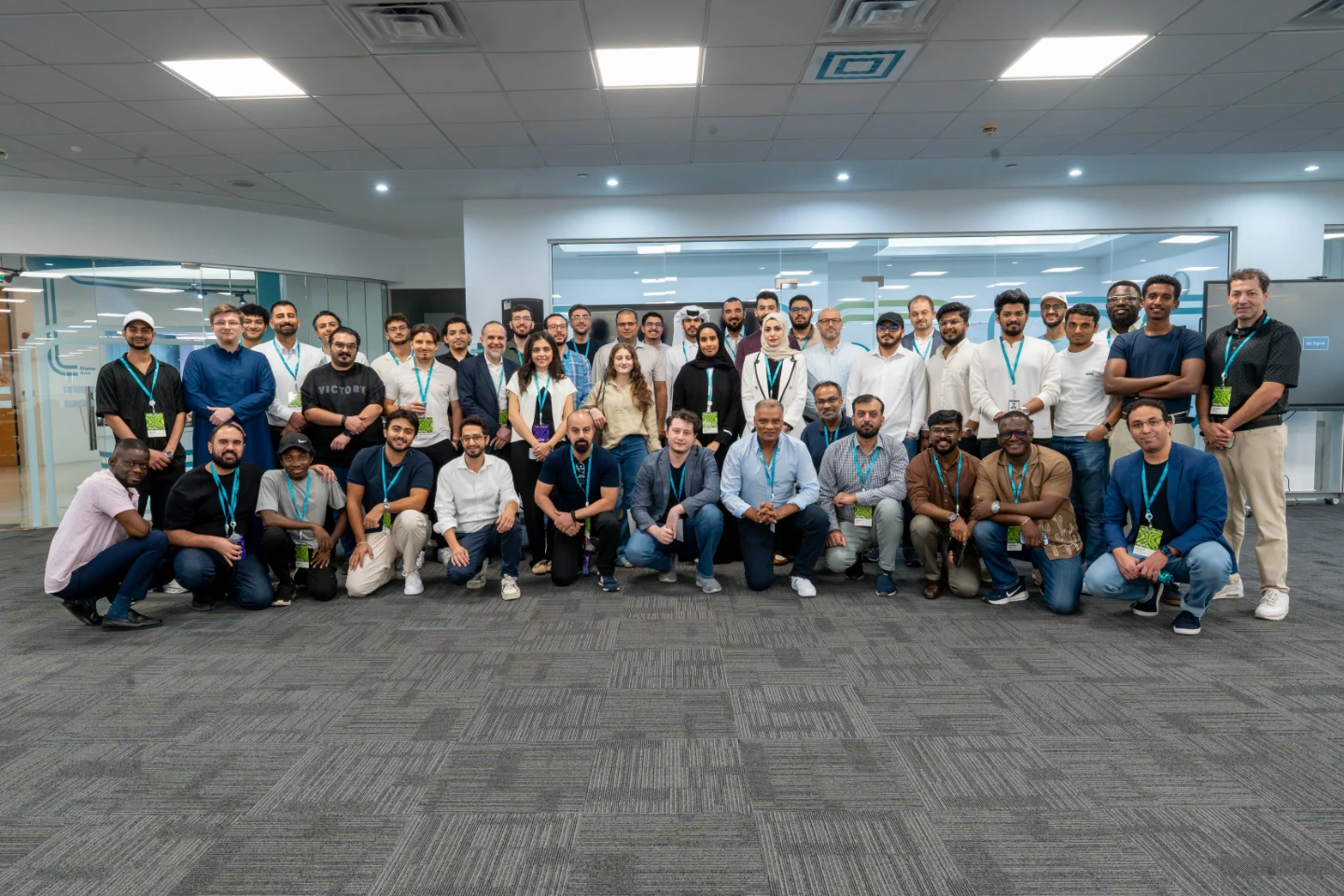
ARVIS Joins QSTP's Fall 2026 Cohort: Deploying Sovereign Building Intelligence Across Qatar
A.R.V.I.S. has been selected for the Qatar Science & Technology Park (QSTP) Fall 2026 Cohort from over 150 international and regional technology applications. Operating within Qatar Foundation's elite technology ecosystem, A.R.V.I.S. is deploying sovereign building operational intelligence across premier commercial and healthcare facilities in Qatar.
Sovereign AI in Smart Building Operations: Why Data Supremacy is Critical for Critical Infrastructure
Smart buildings generate massive volumes of operational data. Discover why cloud-only AI models introduce major risks and why Sovereign AI is the future of secure critical infrastructure.